Why is my chimney smoking into the house in Lawrence
Smoke rolling into your living room usually means backdraft, a blocked flue, or a cold chimney. Here is how Lawrence homeowners diagnose and fix it fast.
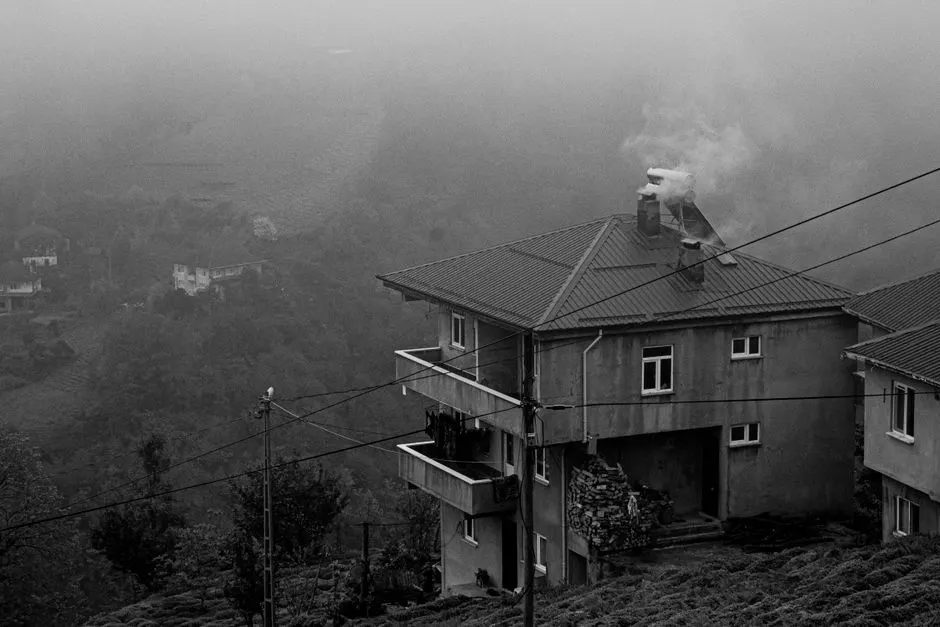
Your chimney is smoking into the house because the flue is not pulling air upward the way it should. That reversed flow, called backdraft, happens when something blocks the flue, the chimney is too cold, the house is under negative pressure, or the fire is not getting enough combustion air. In Lawrence, the three causes we see most are creosote-clogged flues in older homes, tight modern houses that starve the fire of air, and short masonry chimneys that never get warm enough to draft.
The rest of this post walks through each cause, shows you what to check before you call anyone, and explains the fixes that actually work. If you have ever had smoke roll out of the firebox and across the ceiling, you already know why this matters.
Why is my chimney smoking into the house in Lawrence?
Why is my chimney smoking into the house in Lawrence is a question about airflow, not about the fire itself. A chimney works because warm exhaust gases are lighter than outside air, so they rise. Anything that breaks that temperature or pressure balance pushes smoke back into the room instead of up the flue.
Chimney backdraft is a condition where the pressure inside your home is lower than the pressure at the top of the chimney, so air flows down the flue instead of up. When that happens, every bit of smoke the fire produces has nowhere to go but into your living room.
Lawrence sits in a climate where we swing from 90-degree July afternoons to single-digit January mornings. That range matters. A masonry chimney that has sat cold for two days needs 10 to 15 minutes of a hot fire before it starts drafting properly. If you light a fire and immediately see smoke spill, that is often just a cold flue, not a structural problem.
We handle these calls across the city every fall, from Chimney Sweep in Downtown Lawrence where the older housing stock has narrow flues, to newer builds on the south side where the house is sealed too tight for the fireplace to breathe.
The five causes we find most often in Lawrence homes
The five causes we find most often in Lawrence homes are creosote blockage, negative pressure, a cold flue, chimney height problems, and a closed or mismatched damper. Each one produces the same symptom, but each one needs a different fix.
1. Creosote and soot blockage
Creosote is the tar-like residue left behind when wood burns. It builds up in layers on the flue walls, and once it reaches roughly 1/8 inch thick, it starts to restrict airflow. At 1/4 inch, the flue is dangerously restricted and is a genuine fire hazard. The National Fire Protection Association recommends a chimney be inspected once a year and swept whenever creosote reaches 1/8 inch.
Older Lawrence homes that have burned wood for decades are the worst offenders. If your flue is 6 inches square and creosote has narrowed it to 4 inches, the chimney simply cannot move enough air.
2. Negative pressure inside the house
Modern homes are built tight. New windows, spray foam, and weatherstripping keep heated air in, which is great for your utility bill and terrible for your fireplace. When a kitchen exhaust fan, a bathroom fan, or a furnace pulls air out of the house, replacement air has to come from somewhere. Often it comes down your chimney.
Test it yourself. Turn on every exhaust fan in the house, then light a candle near the open firebox. If the flame bends toward the firebox, you have negative pressure.
3. Cold flue
A cold chimney cannot draft. The air inside a masonry flue that has not been used in 24 hours is roughly the same temperature as the outside air. Warm smoke entering a cold flue cools instantly, loses its buoyancy, and stalls.
Pre-warming the flue with a rolled newspaper torch held near the damper for 30 to 60 seconds solves this in most cases.
4. Chimney height and nearby obstructions
The rule of thumb is that a chimney must extend at least 3 feet above the roof line and 2 feet above anything within 10 feet. Trees, neighboring rooflines, and even a tall furnace stack can create turbulence that pushes smoke back down. We see this constantly in Chimney Sweep in North Lawrence, where mature maples crowd the rooflines.
5. Damper and firebox issues
A damper that is closed, partly closed, or rusted in place will block the flue entirely. So will a firebox that is too large for the flue size, or a fireplace that was converted from wood to gas without changing the flue liner.
How to stop chimney smoke in Lawrence right now
How to stop chimney smoke in Lawrence starts with three checks you can do in under five minutes. Work through them in order before you assume the worst.
- Open the damper fully. Reach up and confirm it is wide open. A damper stuck at 45 degrees will smoke every time.
- Pre-heat the flue. Hold a rolled newspaper torch near the open damper for 30 to 60 seconds until you feel the draft reverse.
- Crack a window. Open a window on the same wall as the fireplace about an inch. This gives the fire combustion air and relieves negative pressure.
If those three steps fix it, you have a pressure or cold-flue problem, not a structural one. If smoke still rolls into the room with the damper wide open and a window cracked, the flue is blocked or damaged, and it needs to be looked at by a professional.
One more thing worth checking: burn dry wood. Seasoned firewood under 20 percent moisture burns hot and clean. Green wood produces far more smoke and far more creosote. A $20 moisture meter from any hardware store will tell you in seconds.
What causes chimney backdraft in Lawrence Indiana?
What causes chimney backdraft in Lawrence Indiana comes down to a pressure imbalance between your home and the outdoors. The chimney is a two-way pipe. Whichever direction the pressure pushes, the smoke follows.
Three conditions create that imbalance in this area:
- Tight house construction. Homes built after 1990 are sealed tight enough that exhaust fans can pull the house negative.
- Stack effect reversal. In a two-story home, warm air rises to the upper floor and escapes through attic leaks. That pulls replacement air down the chimney.
- Wind-driven downdrafts. A gust hitting the wrong side of a short chimney pushes air straight down the flue.
We measure this on every chimney inspection Lawrence IN call. A simple pressure test with a manometer tells us in two minutes whether the house is the problem or the chimney is.
If the house is the problem, the fix is usually a makeup air vent or a top-sealing damper that stops the reverse flow when the fireplace is not in use. If the chimney is the problem, it is usually height, blockage, or a damaged liner.
Common mistakes Lawrence homeowners make with a smoking chimney
Common mistakes Lawrence homeowners make with a smoking chimney usually make the problem worse, not better. We see the same five errors on repeat.
- Burning green or wet wood. It smokes heavily, cools the flue, and lays down creosote fast.
- Ignoring the annual sweep. A $150 to $300 annual cleaning prevents a $5,000 liner replacement.
- Running exhaust fans while the fireplace is lit. Kitchen and bath fans pull air down the chimney.
- Closing the damper too early. Shutting it while embers still glow pushes smoke into the room.
- Stacking wood against the chimney. It blocks airflow around the stack and hides cracks you need to see.
One more: never use a chimney that has visible creosote glaze, which looks like shiny black tar. That is stage-three creosote and it ignites at around 1,100 degrees Fahrenheit. Call a professional before you light another fire.
When to call a professional
Call a professional when smoke still enters the room after you have opened the damper, pre-heated the flue, and cracked a window. That combination means the flue is blocked, damaged, or improperly sized, and no amount of technique will fix it.
Other clear signals: you smell smoke in upstairs bedrooms hours after the fire is out, you see cracked or missing flue tiles, or you notice white staining on the exterior brick that suggests a liner leak. Any of those point to a repair, not a cleaning.
Our team at EmberHarbor Pros handles both. We sweep the flue, run a camera down the liner, and tell you plainly what we find. If it is a simple blockage, we clear it the same visit. If it needs a new liner, we walk you through the options and the cost before we start.
We also handle the wider set of services that keep a fireplace safe, including chimney cleaning Lawrence IN for standard wood-burning fireplaces and flue cleaning Lawrence IN when the liner itself is the problem. Most jobs take 60 to 90 minutes.
Frequently Asked Questions
Why is my chimney smoking into the house in Lawrence IN?
The most common cause is backdraft from a blocked or cold flue, or negative pressure inside a tightly sealed home. In Lawrence, creosote buildup in older masonry chimneys is the single most frequent culprit. Open the damper, pre-heat the flue, and crack a window. If smoke still spills, the flue needs professional attention.
What causes chimney backdraft in Lawrence Indiana?
Backdraft happens when the air pressure inside your home drops below the pressure at the top of the chimney. Exhaust fans, tight construction, and stack effect all pull air down the flue. Short chimneys and nearby trees make it worse. A pressure test during an inspection identifies the exact cause in minutes.
How do I fix a smoking chimney in Lawrence?
Start with three quick fixes: open the damper fully, pre-heat the flue with a newspaper torch for 30 to 60 seconds, and crack a window near the fireplace. If smoke still enters, the flue is blocked or damaged. A professional sweep and inspection is the next step, usually within 24 to 48 hours.
How often should a Lawrence chimney be cleaned?
Once a year for most homes, per NFPA guidance. If you burn more than two cords of wood per season, or you notice creosote at 1/8 inch thick, clean it sooner. Annual chimney maintenance Lawrence IN typically runs $150 to $300 in 2026.
Can a dirty chimney cause smoke to come into the house?
Yes. Creosote and soot narrow the flue, and once the opening is restricted, the chimney cannot move enough air to carry smoke upward. At 1/4 inch of creosote, the flue is both a smoking problem and a serious fire hazard. A sweep restores full draft.
Get help with Chimney Sweep in Lawrence
If smoke is rolling into your living room and the quick fixes did not solve it, we can be at your door. EmberHarbor Pros serves every neighborhood in Lawrence, from Downtown to the north side, and we carry the cameras and rods to diagnose a smoking chimney in a single visit.
Call (855) 959-5820 and we will schedule a sweep and inspection at a time that works for you. We will tell you exactly what is wrong, what it costs, and how long the fix takes before we start.